
Is your security strategy still stuck in the "castle and moat" era? In a perimeter-less environment, identity is your only true firewall, and multi-factor authentication (MFA) is the lock that makes it hold.
The Shift from Perimeter to Identity
Traditional security models relied on the assumption that anything inside a corporate network was inherently safe. The Zero Trust framework, specifically defined by NIST SP 800-207, flips this logic on its head. It operates on a simple, uncompromising mandate: never trust, always verify.
In a Zero Trust architecture, your physical or network location is no longer a proxy for trust. Instead, authentication and authorisation must be enforced dynamically before access to any resource is granted. This shift makes identity your primary perimeter. If a single identity is compromised, the entire framework can fail. Multi-factor authentication is not merely a supplementary feature; it is the fundamental mechanism that enables Zero Trust to function in a world of remote work and cloud services.
Why MFA is the Bedrock of Zero Trust
The data supporting the efficacy of MFA is overwhelming. Microsoft research indicates that MFA reduces the risk of account compromise by over 99.2%. By requiring multiple independent pieces of evidence – something you know, such as a password; something you have, like an OTP or hardware key; or something you are, such as biometrics – you move from a model of implicit trust to one of explicit verification.
For IT teams and Managed Service Providers (MSPs), MFA fulfils three critical Zero Trust requirements:
- Explicit Verification: You validate a user's identity based on all available data points, including identity, geographic location, and device health, every time they attempt to log in.
- Least Privileged Access: MFA ensures that high-risk administrative actions require a second layer of verification, effectively limiting the "blast radius" if a password is ever leaked or stolen.
- Continuous Monitoring: Every authentication attempt generates a log. This provides the continuous monitoring of asset integrity and security posture required to meet modern compliance standards.
The Challenge of Fragmented MFA in IT Teams
While MFA is essential, it often creates operational friction, particularly for teams tasked with SaaS MFA management across various platforms. When an MFA secret is tied to a single engineer’s personal smartphone, it creates a single point of failure that violates the core principles of Zero Trust.
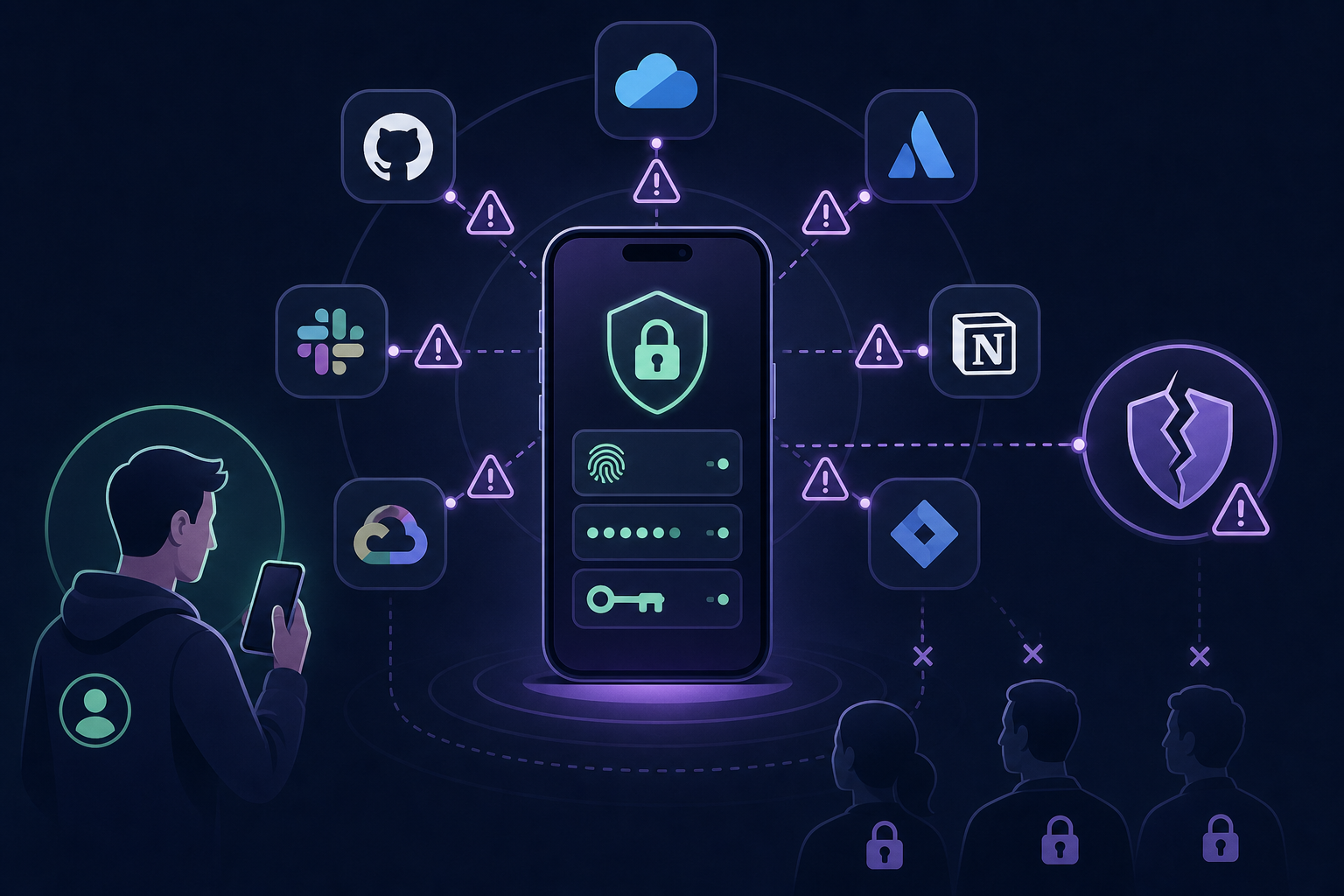
If that engineer is unavailable or leaves the organisation, the chain of trust is broken, potentially locking the team out of critical infrastructure. Furthermore, relying on personal devices for corporate authentication secrets prevents the centralised visibility and auditability that a true Zero Trust model demands. To maintain a robust security posture, your team must move away from ad-hoc code sharing and toward centralised MFA management.
Implementing MFA Within the Zero Trust Maturity Model
The CISA Zero Trust Maturity Model highlights that identity security is a continuous journey rather than a one-time setup. It begins with basic MFA and progresses toward phishing-resistant authentication and continuous identity validation.
- Traditional Stage: MFA is used primarily for remote access but may rely on less secure methods like SMS or voice calls, which are vulnerable to interception.
- Advanced Stage: The organisation utilises MFA for teams to manage access to all critical systems, ensuring that secrets are stored in encrypted, access-controlled environments rather than on individual personal devices.
- Optimal Stage: Identity is continuously validated, and access is revoked instantly across all platforms the moment a user's risk profile changes or they offboard from the company.
Zero Trust for Managed Service Providers
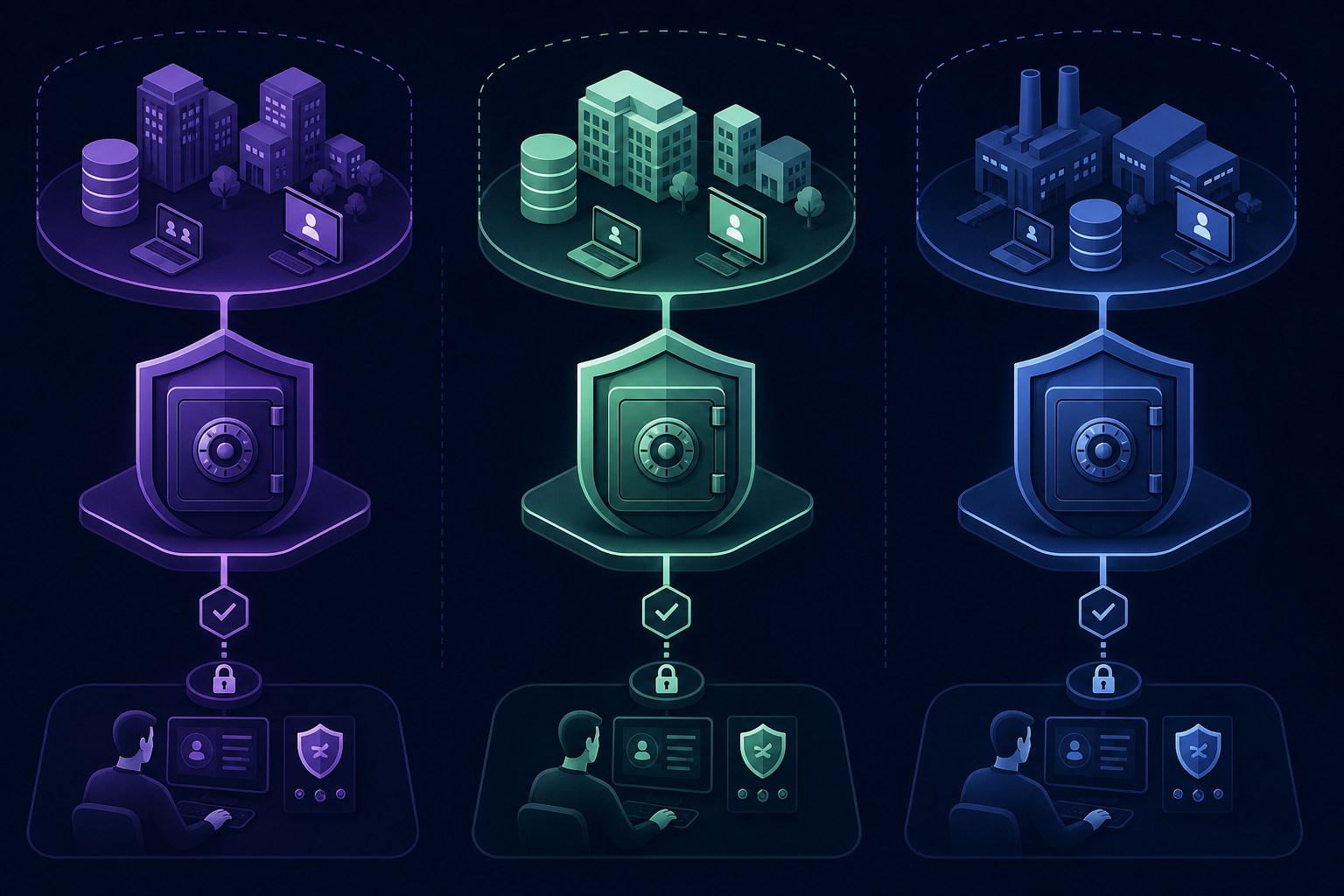
For MSPs, the stakes are significantly higher. You are responsible for the "keys to the kingdom" for multiple clients simultaneously. A Zero Trust approach requires that your technicians only have access to the specific MFA codes they need for the client they are currently servicing.
Utilising per-client MFA vaults allows MSPs to enforce granular access controls. This ensures that a technician working on one client has no visibility into the authentication secrets of another, effectively creating an architectural barrier between environments. This level of isolation is a core requirement for demonstrating compliance and maintaining high security standards across a diverse client base.
Strengthening Your Access Control Strategy
Zero Trust is not a single product, but a strategy that prioritises the continuous verification of every access request. By centralising your MFA secrets and moving away from personal device dependency, you eliminate security gaps and ensure that your team can access critical infrastructure without compromising on safety or auditability.
Ready to bring your shared authentication into a Zero Trust framework? Start your 14-day free trial of Gatera today and secure your team’s MFA codes with an encrypted, centralised vault.